Tree Health

The UK is finally starting to reach summer temperatures, which means you’re likely to be spending a lot more time in your garden. This is why it is crucial to check to see whether your trees are healthy and thriving. A dying or damaged tree in your garden can be very dangerous for yourself, your family and any animals or pets. But how do you know whether your trees are in good health or in need of a bit of attention? Don’t worry, we’re here to guide you through it all. 

Signs of a Healthy Tree 
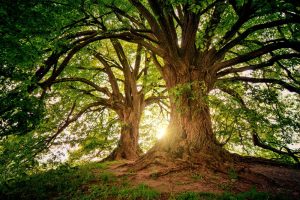
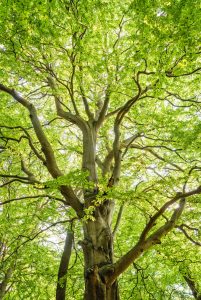
  • Luscious and full leaves
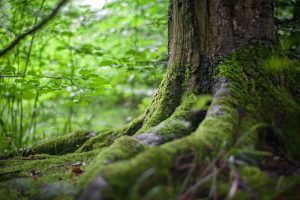
  • Healthy and growing roots 
  • One main tree trunk
  • New growth (leaves or limbs)
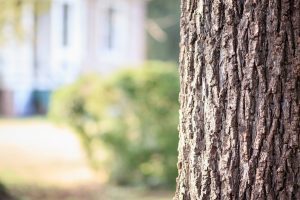
  • Strong and sturdy tree bark 

Signs of an Unhealthy Tree

  • Holes and breaks in the bark
  • Dead patches in the bark 
  • Visible breakage in the limbs of the tree
  • Bare patches in the leaves 
  • Dying or browning leaves (not due to seasonal changes) 
  • Visible insect infestations 
  • Holes in the leaves  

When inspecting your trees it is important to be critical and observant. Unfortunately, one glance at your trees out the window won’t suffice. You need to do a full walk around inspection and take time to look at each aspect of the tree. While it may seem like a lot of work, this will save you a lot of hassle in the long run. If you catch your trees health decline early enough, you can save it and reverse any damage done. However, if you postpone these inspections you may not notice until it is too late. If this process seems like too much work or you’re not sure if you can be thorough enough, get in touch. We’re happy to come to give your trees a full inspection and provide our recommendations. If

What do you do if you notice your tree may be suffering? Don’t panic, you have a few options. Depending on what is wrong with your tree, you can try to sort it out yourself or you can call in a professional arborist who will double check the issue and know best how to address it. Get in touch today to find out more information. 

 

Spring Clean Up – The Do’s and Don’ts

First of all, what is a spring clean up? This refers to the process of tidying up your garden in preparation for summer. It’s a crucial spring time step that will leave your garden looking happy and healthy.

Everyone has their own way of tackling the cumbersome task that is a spring clean up. Each garden is different as there is bound to be variance in what plants and trees are present. While there are not any concrete rules, we have some do’s and don’ts that we suggest you follow if you want your garden to continue thriving well into the summer.

The Do’s

  1. Rid your garden of all the dead debris as not only will this look lack-luster, it can actually be harmful to the existing plants and trees. Dead plants and trees often harbour fungus and disease that will be sure to harm the rest of your garden later on in the year.
  2. Prune your trees and shrubs. Keeping on top of pruning is essential because it keeps your garden healthy and looking its best.
  3. Get rid of all weeds. Weeds are any plant that is growing where it is not wanted. Weeds are often invasive and can harm the rest of your gardens ability to thrive.

The Don’ts

  1. Don’t start too early in the year. If the soil is still really moist from the winter then you’ll end up running to issues.
  2. If you’re doing any planting, be careful not to overcrowd the area. Make sure you leave each plant enough room to expand their roots.
  3. Don’t be afraid to ask for advice or help from your local landscaper or arborist, especially when it comes to pruning and removal of any dead limbs or stumps.

Overall, there’s no perfect method to spring clean ups, you just need to do  what best suits your garden. There are many benefits that come from doing a thorough garden clean up in  the spring. Your plants and trees will be not only looking their best, but they will be healthy and ready to take on the summer heat.

What is Ash Dieback?

What is it?

Ash dieback affects ash trees (Fraxinus excelsior). It’s caused by the fungus Hymenoscyphus fraxineus, which you may also hear referred to as Chalara fraxinea and Hymenoschyphus pseudoalbidus).

It blocks the water transport systems in trees causing leaf loss, lesions in the wood and on the bark and ultimately the dieback of the crown of the tree. This disease was first described in Poland in 1992 and has since swept westwards throughout Europe. It was first identified in Britain in 2012 in nursery stock then in the wider environment in 2013 although it could have been in the country much longer. The number of confirmed findings is continuing to increase and the distribution is reported by the Forestry Commission on a regular basis.

Young trees are particularly vulnerable and die quickly once they succumb. Older trees can be slowly killed by a yearly cycle of infection. Spread of the disease in the UK is most likely to be as a result of the planting of infected nursery stock and wood but wind borne distribution of the fungal spores also occurs. It is important to stay vigilant to catch cases of ash dieback quickly before it ruins your garden.


Key Signs

There are several key signs to look out for on ash trees. All of these symptoms can also be caused by other problems, so final diagnosis should be made by an expert. Summer is a good time to look for symptoms as in autumn and winter, ash trees will naturally be shedding their leaves making it difficult to identify ash dieback.


If you have any questions about ash dieback or suspect your trees may be showing signs, please don’t hesitate to get in touch.

Low Maintenance Trees

The last thing you want to do is blindly choose a tree for you garden and have it turn out to be more difficult to care for than a toddler. Don’t worry, we’ve got your back. Here’s a list of the tree’s we’ve deemed low maintenance and easy to take care of:


Pyrus Calleryana ‘Chanticleer’

The Pyrus Calleryana is as great tree that has a long list of benefits and very few drawbacks. They are the teardrop shaped tree that you can usually find along streets and parklands. Their pear like shape comes from their branches natural growth upwards. They are very durable trees that can withstand high winds, ranging humidities and are not picky about the soil they are planted in. Their shape also means you don’t need to worry about the branches constantly impeding on your neighbours land. All in all, a great choice whether you need some garden privacy or just a low maintenance tree.


Evergreen Magnolia

This type of Magnolia is a great option for those trying to escape part of the fall cleanup that results from falling leaves. Evergreen Magnolias are great at acclimating to most moderate to warm environments. With there being nearly 125 species of Magnolia and over half of those being evergreen, there will be some that are better accustomed to a particular climate than another. Overall, these trees are easy to take care of. They need regular watering and sunlight like most trees but are not picky about the surrounding soil.


Japanese Maple

The Japanese Maple is a beautiful tree that can add a great vibe to your garden. These trees can grow amazingly in the most poor soil conditions, so that shouldn’t be a major concern for you. Their only main requirements are partial shade and out of the way of harsh winds. As for watering, they don’t need to be watered very often, unless it’s a particularly dry time of year. While they take a while before reaching full maturity, they are a strong and sturdy tree.


Green Beech

The Green Beech is another great tree that doesn’t require much attention. They only need pruning every once and a while and a capable of thriving in a wide range of environments. Similar to the many other species of deciduous trees, their green leaves turn to a beautiful bronzed gold colour in the fall.


While there are many more trees that are easy to take care of, these are some of our favorites. They add beauty to your garden without having to painfully take care of them.

Preparing for Spring

The winter is coming to a close and the 20th of March marks the first day of Spring. This means your trees are reaching the end of their dormant season. Therefore, there are a few things you need to do to prepare them for the quickly approaching Spring.


Pruning Pruning Pruning

Your trees are still dormant which is this is the best time of year to prune them. The lack of leaves on the trees will allow you to get a much better prune and will have much less impact on the visual landscape. Getting pruning done now will give your trees the necessary time to heal before the harsh summer sun is beating down on them.

Overall Inspection

It’s a good idea to take advantage of the clear visibility of your trees limbs and branches during this time. You can clearly see if there are any infested, damaged or worrying parts of the tree and you can get it seen to by a professional before it’s too late. A professional arborist will be able to tell you what actions need to be taken on your trees to keep them healthy for the upcoming summer. This may mean removing branches, stumps or whole trees that have become a danger.

Mulching

Spring is a great time to apply some mulch in a circle around the base of your tree. However, you should be careful to make sure no mulch is actually touching the tree. Instead, there should be a 3 to 4 in gap between the tree and the surrounding mulch. Mulch is great for trees because it helps lock in much needed moisture and help deter weed growth which can restrict the nutrients being absorbed by the tree.

Fertilising

Spring is also a great time for fertilising. Fertiliser is beneficial as it adds in the nutrients into the soil that it was missing originally. We suggest testing your soil to make sure the fertiliser you use is having the biggest benefit for you trees.

If you have any other questions about how to best prepare your trees for Spring, don’t hesitate to get in touch. We’re always happy to help and only a phone call away.


Planting Trees this Spring?

Are you planning on sprucing up your garden by planting a few trees in the upcoming Spring? If so, follow these tips to give your trees the best chance to thrive. Spring is a great time to plant trees as it gives them plenty of time to acclimate before the heat of the summer arrives.

Location, Location, Location

Contrary to popular belief, it’s recommended to scout out the best location before choosing which type of tree you’d like to plant. This is because each species of tree will have different environmental requirements like necessary amount of sunlight, type of soil, and ease of care. For example a tree that requires very moist soil, will not thrive if the spot you have chosen is mainly clay based soil.

Testing the Soil

To give trees the boost they need, many people often turn to fertiliser. However, the importance of testing your soil before fertilising is often overlooked. Testing the soil you’re going to plant is crucial because this will tell you exactly what nutrients are lacking. This allows you to provide your tree the best fitted fertiliser for the surrounding soil.

Don’t Over Water

The watering of a newly planted tree can be tricky, as each type of tree will require a different amount of water. Due to their developing root systems, they will need to be watered far more often than the older trees you may have in your garden. For best results, it is recommended that you surround the base of the tree with a thick layer of mulch as this will help lock in the much needed moisture in the soil.

 Timing

The best time to be planting trees is late fall to early spring. If you’re starting to reach mid to late spring, its suggested that you postpone your planting and wait for Autumn. If you do not plant the trees early enough in the spring, you run the risk of the tree not being able to acclimate quickly enough and will be unlikely to survive a hot summer.

Don’t hesitate to give us a call if you have any questions about when or where to plant your trees.  At Butlers, we are always happy to help .

Are Your Trees Dangerous?

It’s still January, but Spring is fast approaching which means you’ll soon be out and active in your garden. Through the winter period, trees can become damaged and therefore a potential danger to you and your family. Fallings trees, limbs and branches are something that no homeowner should have to live in fear about. Keep reading to learn about the different ways a tree can be dangerous and how to spot them.

Splits and Cavities

Large splits and holes in the trunk of a tree are a tell tale sign that the integrity of the tree may be comprised. If there is not enough wood at the base to support the rest of the tree, the whole thing risks collapsing. It is also important to investigate any cavities that lie above eye level or climbing level as these may put large sections of the tree at risk. Cracks and splits at any part of the tree are considered highly dangerous as they mean the whole tree could collapse at any time.

Changes in the bark, leaves or soil

If there are noticeable streaks down the trunk or large parts of bark missing it can be assumed that the tree was most likely struck by lightning. If this is the case, keep and eye on the leaves. Your tree may recover, but if the leaves turn brown this indicates the tree has died and is at risk of toppling over without warning.
If there are mushrooms growing around the base of the tree, this means that there is a high chance that the roots have died and are now decaying. This again, puts the integrity of the tree at risk and should be dealt with as soon as possible.

Loose/ Dead Branches

Depending where you live there’s a good chance your trees took a beating from the wind during the winter. High winds and harsh temperatures can have unfortunate effects on trees as a whole and especially on their branches. If there are any branches that are visibly dead or look like they are coming a bit loose, its best to be cautious and get it checked out.

These tips were aimed to help inform you about how and why a tree can become dangerous. While you can do an initial check for the above yourself, we recommend contacting a skilled arborist as we deal with these issues daily. Having a professional evaluate your trees will ensure your trees are healthy and you aren’t chopping off limbs unnecessarily.

Preparing Your Trees For Winter

Temperatures are plummeting and the beautiful trees you’ve been caring for all year are in for a rough few months. It’s time to make sure you’ve done the best you can to give them a fighting chance. The following tips and tricks won’t take too much time out of your day, but are essential to having healthy and happy trees in the upcoming spring.

Pruning

Winter is a great time to give your trees a much needed prune. It’s important to rid them of any deadwood they may be carrying because this can result in unwanted guests making them an escape from the cold temperatures. It’s also a good idea to prune your trees because it ensures there are no dangerous branches or limbs that could cause harm or annoyance to your family over the winter.

Watering

Moist soil is usually a lot warmer than dry soil, which will keep your trees roots in great condition. In the winter, water will act as an insulator for your trees and protect them against the harsh temperatures. It’s important to make sure your trees are watered properly in the autumn, before the ground freezes.

Mulching

Properly mulching the base of your trees is critical to their well being over the winter period. Adding two to three inches of mulch to the base of your trees at the beginning of winter will not slow the rate of moisture loss, but will also help maintain a consistent soil temperature. Without a good layer of mulch, the constant freezing and thawing of the ground over time will jeopardise the trees roots and its overall health. If you live in a climate where the ground stays frozen, it is a good idea to mulch after the ground has frozen for the winter to prevent any woodland creatures from making it their winter home. It’s important to let the trunk of your tree breathe, so refrain from piling it up like a volcano and instead aim for more of a donut shape.

Trunk Wrapping

Wrapping the trunks of your trees is a great way to protect them from the harsh temperatures that winter brings. This will help your trees maintain a healthy temperature throughout the winter and prevent them from sun-scalding which is a type of scaring that can occur. Sun-scalding results from the harsh re-freezing at night after the warm winter sun tempts the trees cells out of their dormancy. This unfortunate process will leave the tree with visible scarring that isn’t the most pleasing on the eyes. Wrapping the base of the tree helps prevent this and is much easier than painting the tree white to reflect the sun, which is an alternative but more permanent remedy.
Hopefully the above tips will help you prepare for a harsh winter and keep your trees looking the best they can all year round. If you have any further questions, don’t hesitate to get in touch. We’re always happy to help.

Kiln Dried Logs vs. Seasoned Logs

Winter is here

Fall has come to a close and winter is setting in. It looks like it’s going to be a cold one. If you have a wood burning stove, you’ll know how important it is to get quality firewood to keep your home toasty for the winter season. You’ll also know how pricey firewood can be if you’re not smart about what you buy and who you buy it from.

If you’re not an expert on firewood, you’re probably wondering what the best type of wood is to use. That’s why we’re here. As experts on all things wood, we prompt you to use kiln dried logs. Kiln dried logs are great for use inside the home whether it’s for your fireplace or pizza oven.


Kiln Dried vs. Seasoned Logs

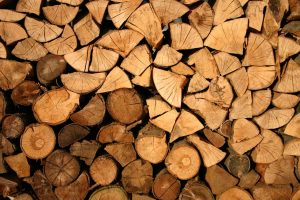
You might be thinking, is there really a difference? Absolutely. What we find is that most of our customers are astonished by the heat payback from the kiln dried logs and rarely returned to just seasoned wood. When logs are force dried in Kilns their moisture percentage is lowered to around 20% which creates the perfect balance of heat and sustainability. Opposed to regular firewood, kiln dried logs tend to create a lot less soot while burning for longer with less cracking and sizzling. Regularly seasoned logs will still get the job done, but you will find yourself going through a lot more of it and not being as pleased with the level of heat.

Kiln dried logs are not the cheapest on the market, however, they are easily the best value for money. A well seasoned piece of kiln dried wood is going to burn for longer than your average alternative with noticeably better heat payoff.

At Butlers, our kiln dried logs are offered in packages varying in quantity and price. We also offer alternative season logs that have not been kiln fired. Once you have your wood for the season, it can be a massive pain having to stack the logs in a way where the pile doesn’t tumble every time you remove a log. Don’t worry, we’ve got you covered. In addition to our many different log packages, we also offer a wood stacking service.

How to Care for a Newly Planted Tree

So, you’ve had some new trees planted and your garden is looking great. Now you’re wondering what you need to know in order to keep those new trees happy and healthy. Don’t worry, we’re here to help. Keep reading for tips to keep your new trees looking their best.


Monitoring  

This may seem self-explanatory, but many people assume once a new tree is planted, it’ll automatically grow and settle in perfectly. However, this is not the case. For the first few weeks especially, you need to keep an eye on your tree and make sure it progressing correctly. Things to look out for include:

  • Brown and yellowing leaves
  • Roots not taking to the soil
  • Loose or deteriorating bark

If you notice any of the above happening to you tree, it’s better to be safe than sorry. Give an arborist a call, and they’ll be able to give you helpful recommendations to save your tree.

Watering

Watering is the first thing that comes to mind when talking about trees and plants. Giving newly planted trees the correct amount of water is crucial to their growth and longevity. If the tree you’ve just planted is a sapling, it is recommended that you water them thoroughly everyday for the first two weeks. After those two weeks, move to watering only once a week for the next year.


Fertilizing and Mulching

Fertilizing is not necessary but is recommended. Think of it as a vitamin for your trees. They’re not going to die without them, but it will help give them nutrients that may not be naturally present in your soil.

Mulching is another way that you can increase your new trees chances of quickly adapting to its new environment. This helps trap in much needed moisture and is especially helpful if you live in a very dry climate.


Other Tips

  • Don’t use pesticides too close to the base of the tree
  • Don’t plant flowers or plants near the base of the tree – this will affect the way the trees ground their roots
  • Avoid using string trimmers or lawn mowers on grass around new trees as this risks damaging the bark at the base of the tree

If you have any questions about a tree you’ve recently planted, give us a call! We’re always happy to help.