When is the Best Time to Prune Trees?

Timing

Timing is crucial when it comes to the annual pruning of your trees. If you prune to early or too late, your trees are likely to suffer the consequences. Keep reading for more information on when is the best time to have your trees pruned

Type of Tree

When figuring out when is best to start pruning, you need to see whether your trees are deciduous or not. Deciduous trees are those that drop their leaves for part of the year and tend to reside tree trimmingin temperate and tropical climates all over the world.

Deciduous trees benefit the most from being pruned when they are considered ‘dormant’, which occurs in late autumn or winter. A dormant tree is one that’s growth has been temporarily stopped. Due to the colder temperatures, tree’s lay dormant to conserve energy which results in their lack of growt

h. If you prune deciduous trees in early spring or summer it is likely that they will bleed sap.

Non-deciduous trees are those such as: Walnut, Cherry, Birch, Horse Chestnut, and Maple; and require pruning at a different time of year. These trees all bleed heavily when they are pruned, so it is best to do so closer to the end of their dormant season. This allows for all new growth to mature prior to pruning.

While minor pruning can be done yourself, we strongly recommend seeking the help of an trained arborist. Especially if you are unsure of the proper technique required to prune your trees. Call Butlers today for a free, non-obligatory quote. We’re always happy to help.

Tree Care in Extreme Heat

This summer has had record breaking heat which has no doubt caused you and your trees some stress. It can be difficult to know the best way to care for your trees in such extreme heat. But don’t worry, that’s what we’re here for. Keep reading to learn some tips on how to keep your trees thriving and looking their best during the hot summer months.

Watering

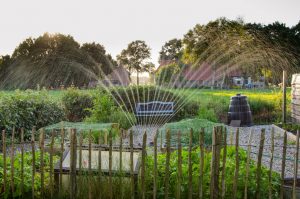
This goes without saying, make sure your trees are getting enough water. While there are a few natural rain showers that will give your garden some love, that’s nowhere near enough water to sustain your trees. Especially, saplings or those which have recently been planted. The best option to ensure your trees aren’t losing all of their precious water on these hot days, is to invest in an irrigation system. There are many types of irrigation systems to choose from and are excellent for monitoring the amount of water getting to your trees. By doing this, you will be kept from falling victim to overwatering.

Not only is the amount of water your tree is getting crucial, so is the timing of it. It’s recommended to water your trees in either the early morning or evening. It is best to water your trees when there is limited sunlight available which will evaporate a lot of the water before it has time to properly soak in.

Quick Tips

Cover the base of your trees with a thick layer of mulch. Doing this will help keep the soil around the trees roots moist and will help prevent evaporation. This will also reduce the temperature of the ground which will cause the tree less stress.

More frequently check your tree for infections, infestations and broken or cracked limbs. If you feel you cannot do a thorough job or don’t know what to look for, give us a call.

Equipment Available for Hire

At Butlers, we understand that our customers may have trouble deciding exactly what equipment they need for a job. We offer a wide range of equipment that vary in size, price and ability. Hopefully this blog post will clear up any questions you have regarding our equipment available for hire. However, if you still have more questions, feel free to give us a call. We’re always happy to help.

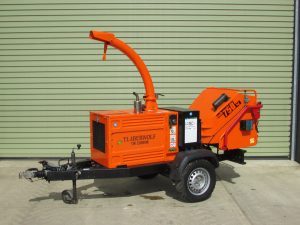
Timberwolf Wood Chipper      

 The first range of machinery that we offer is the Timberwolf Series. We offer a towable version which can be easily attached to the vehicle of your choice as well as two different sizes of tracked machines. These are operated manually and will allow you to easily manoeuvre the machine around the work site. These are a great aid to any project as they turn branches and tree limbs into wood chippings in a matter of seconds. Therefore, allowing cleanup on any tree work to be done quickly and efficiently, which will make your life much easier.

For the prices and specs of these three pieces of equipment, click here.

stumpgrinder
The new Stumpgrinder

Rayco Mini Workforce

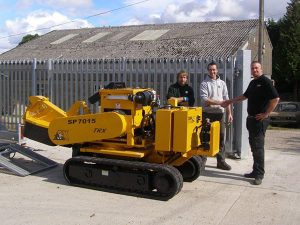
The Rayco Mini Workforce is a stump grinder/ cutter. It is great, manually operated tool for getting rid of any unwanted stumps in your yard or work site. It has an access width of 660mm which is the perfect size for pretty much any stump.

For more information about this equipment, check out our hire page.

Mobile Elevated Work Platform (MEWP) Lorries        

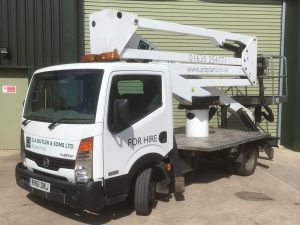
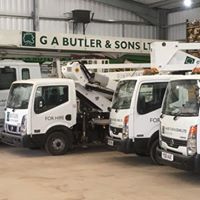
Nearly all tree work will require a MEWP or mobile elevated work platforms. These typically are attached to the back of a lorry for ease of transportation. At Butlers we offer four different sizes of MEWP Lorry. The ‘Bronto’ and ‘Simons’ Lorry Mounts, the larger of the four lorries are only available for hire with an Operator. These lorries are great for working on hard to reach branches and tree segments.

To find out the full details and rental prices of these machines, please visit our hire page.


Tracked MEWP Cherry Picker Hire BerkshireOctopussy Tracked Machinery

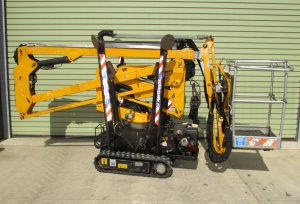
This type of machinery is a type of MEWP (mobile elevated work platform), however; they are not mounted to a lorry. Instead, they have their own track and stabilisers. These are great for more uneven terrain or for getting closer to the base of the tree.


For more information on these machines, check out the hire page.

Why We Prefer Not To Be Affiliated

You may ask us why we prefer not to be affiliated to or be members of any trade associations or special clubs. The answer is simple… our customers always come first. We want to spend as much time as we can making sure our customers are happy. 

Fees & Expenses

While they have their perks, being an affiliate or part of an association always comes at a cost. The money G A Butler & Sons save on fees can be passed on as savings to our customers. We don’t think that the rewards we would gain from affiliations and associations are worth the cost. Therefore, we don’t take part.


Time

If we are spending time at their events or spending time on producing paperwork for their schemes, it means less time for our clients. G A Butler & Sons value the relationships built up with our customers. Prioritising our customers is one of the many ways we strive to deliver the best service possible to all of our clients.

Socialising

When at their events/seminars we would spend more time eating nibbles and on small talk than actually doing the job that G A Butler & Sons are best at… Tree Work. Although it might be nice to attend theses functions, it takes away from our time making sure all of our operations are running as smoothly as possible.

Pressures

The opinions of a committee are always changing, and members are often forced into accepting policies that they don’t agree with. At G A Butler & Sons we prefer to concentrate on what our customers need without the unnecessary influence of others.


In short…

More adhocracy (creative, flexible, quick to respond, new ideas)

Less bureaucracy (excessively complicated administrative procedure)


Call us today for a proper job. You can find a full list of our services here.

Garden Visitors – Who to Look Out For

As the weather turns nicer and nicer, you may notice some new garden visitors. Sometimes it may be difficult to decide whether an animal is hurting or helping the plants, flowers and trees in your garden. Keep reading to learn about the common visitors you may find in your garden!

Deer – While it is always nice to look out your window and see a group of deer enjoying some grass, grass isn’t the only thing they will be munching on. Deer will eat pretty much anything leafy and green or flowery growing in your garden. Maybe consider installing fences to keep them out. See our fencing services here.

Squirrels/ Rabbits – Similar to squirrels and rabbits are delicate-looking, but can wreak havoc in your garden, especially during the harsh winter months. When squirrels run out of their primary food sources, they will eat any vegetables, fruit and flowering plants in your garden.

Bats – While bats are often given a negative reputation, they are actually very beneficial. They eat primarily insects and can eat upwards of 3,000 per night which can be very helpful in the control and maintenance of pesky bugs in your garden. In addition, allowing bats to thrive in or near your garden will also help build their population up which unfortunately is on the decline.

Birds – There are many species of birds you may find flying about and nesting in your garden. Most birds do not pose a threat to your flowers, plants or trees; therefore, they are a great addition to the garden aesthetic. They primarily eat worms, insects and slugs which are important to keep at a good ratio in your yard

Lizards, Toads and Snakes – While lizards, toads and snakes are not favoured by most, they are actually very beneficial to have in your garden. They do not eat any shrubbery or flowers, but will maintain a good balance of insects and rodents

Hopefully, this post has been informative and given you some insight into the animals you may see wandering about in your garden this summer. While as arborists our main focus is trees, we still like to keep a look out for the little creatures that might be running around in your garden!

Do you need any help with your trees? If so, give us a call, we’re always happy to help.

Are you thinking of adding trees to your garden? Here’s what you need to consider!

The decision to plant or relocate trees in your garden is one that requires some planning and preparation. The addition of trees can completely transform the look and vibe of a garden. This is why choosing the right type of tree is essential. If you want to learn more about the key factors that should be considered when choosing a tree, keep reading!


Size

With proper care and maintenance, trees will continue to grow. This means that their roots will also continue to spread. When deciding where to plant the tree it’s important to consider whether the roots will have appropriate space to expand.

For example, it is not recommended to plant a tree known for large roots next to a patio or tarmac as they may become disrupted once the roots spread.

It should also be considered how tall trees may become. Placing trees near or under power lines is not advised as when the tree grows it could interfere with these line causing  a multitude of issues.


Types of Needs

Different trees need different types of care for them to thrive. Understanding the different conditions a potential garden addition will require may save you a lot of time and money. If your garden does not have the conditions that a tree requires, it may become a struggle to keep it healthy and growing for years to come. For example, some trees need very moist soil, whereas, some thrive better in a dryer or thicker soil. If the conditions aren’t right in the first place, proper care, maintenance and feeding may not be enough.


Location Specific

Another more location specific requirement for some trees is the amount of pollution in the air. For example, if you live in a largely high traffic area, you may want to consider the levels of pollution your desired tree is able to sustain. Some types of trees may be sensitive to temperature and humidity. In this case, make sure your chosen tree will be able to withstand the fluctuation in temperatures that your region experiences.


Planting Times

Proper timing of the planting a new tree is crucial. Planting typically takes place in late winter, spring or autumn. This is because trees need time to acclimatise to the surrounding conditions.


If you have questions about any of the above, contacting an arborist is the best way to gather a more in-depth understanding. Why not call us for a free quote, without any obligations?


Is Your Garden Healthy?

If you’re not a skilled arborist or gardener, it can be difficult to know whether your plants and trees are as healthy as they should be. Keep reading for tips and tricks on how to determine the health of your garden!


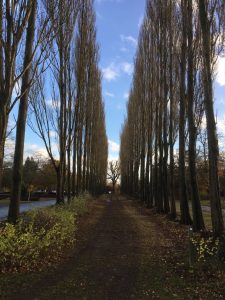
Tips and Tricks for Trees      
text 

Annual Growth

A good way of tracking your trees health is by comparing its annual growth year by year. Is your tree growing enough, or has it’s growth been stunted? Are there any external environmental reasons for this stunt in growth, if not, you may need to contact an arborist.


Branch Health

Upon inspection, are there any broken or damaged branches? Cracks within the tree’s over all structure are signs of a damaged tree. These broken limbs must be pruned as they are a prime way for insects to make their way into the tree, which will result in an infestation and an unhealthy tree.


Evaluate the Trunk

The bark of most trees should not be loose or pealing, with exceptions being birches, maples or eucalyptus. This section is similar to the above as there should be no cracks or holes in the trees structure. This is because holes and cracks allow for insects to make their homes within the tree resulting in a weakened structure.


How are the Leaves?

Evaluating the leaves on your tree is another good way of checking the health of the tree. Much like the leaves of plants, during photosynthesis the leaves trap the sun’s energy which results in a healthy green leaf. Also, be sure to check whether there are any holes or tears in the leaves. This could be a sign of insect infestation or poor leaf health.
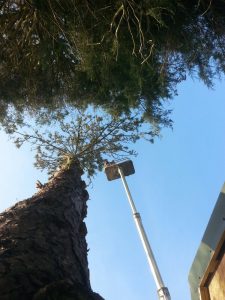
If your tree’s are looking good and you’re wondering about the health of your plants, keep reading!


Tips and Tricks for Flowers and Plants


How does your soil look – is it damp enough and well kept?

Your soil should be dark in colour and quite loose. If you pull up your plant the soil should gently fall away and the roots should be spread out. Loose non-compacted soil allows for water and nutrients to easily flow through and reach the roots


Inspect the plants potting

Your plants potting should not be too compact nor too loose, you want it to be right in between. Another thing to watch for when it comes to potting is the size of the pot. If you fear the plant pot is too small, turn it over and check whether it’s roots are trying to escape. You don’t want the pot to be too big either, because if the roots aren’t large enough to absorb all of the water, the soil will stay too moist and could disease.


Are the leaves green? Are they drooping?

Plants leaves become green as the chlorophyll traps the sun’s energy. If your plants leaves are off greenor slightly yellow in color, that means it’s most likely not getting enough sun. While plants leaves will vary from plant to plant, they should all be a relatively green colour. Droopy leaves could be a sign of stress. Stress in plants can be caused by many things including, lack of water, insect infestation and/or a lack of nutrients.


Hopefully, the tips and tricks talked about above will help you efficiently monitor and evaluate your garden. However, if you are still unsure whether your garden needs more attention, call an arborist. Arborists are highly trained tree technicians who specialise in the evaluation, trimming, and removal of trees.


If you have any further questions regarding your tree’s health, why not give us a call? We give free quotes with no obligation. 

Storm Preparation

Importance of Storm Preparation

The winter months are known for the storms and bad weather brought with them. While you may have prepared your home for a massive storm, have you taken precautionary steps to help your trees stand a fighting chance against the high winds? Proper storm preparation is a crucial factor that plays into the health and overall look of a tree as well as its surrounding area. There is a lot more that goes into preparing a tree for a storm than one might think. For example, when prepping, you must consider all parts of the tree and understand how different types of storms may affect them. From the branches to the roots, each part of the tree must be cared for.   

If you have any questions about how best to prepare your tree, give us a call – we’re happy to help!  

Tree Maintenance

Regular tree maintenance could be the deciding factor as to whether your trees make it through a massive storm. Regularly cared for trees tend to have stronger structures, which makes it easier for them to defend against strong winds and harsh weather. However, if your trees have not had regular upkeep or just want extra protection for them, keep reading!

Tree Thinning and Pruning

Thinning the top of the trees will drastically reduce wind resistance, which is the main cause of the weakening in branches and trunks. In addition to this, pruning your trees will also allow for the removal of any dead, weakened or broken branches that may be easily displaced during a storm. There are many attributes of a branch that help determine whether it is capable of withstanding high winds. For this reason a consultation with a professional is always the safest option. This is important as it not only helps the tree, but reduces the risk of these branches causing issues in their surrounding environments.

Mulching

While tree thinning and pruning are extremely important, there are other aspects of tree care that need to be taken into consideration. Mulching around the root of the tree is proven to help protect its root structure. Many people will forget this step or underestimate its benefits, however, having proper mulching is incredibly important. Mulching may be something that you can do yourself, but if you are not comfortable or confident in doing so, give us a call.

Lighting Preparation

Another aspect of storm preparation to consider is the installation of a lightning protection system. Lightning often accompanies winter storms and can be detrimental to weak or damaged trees. A tree that has been struck by lightning risks having its internal structure damaged. For this reason, the installation of a lighting protection system will help prevent the unfortunate effects of a lighting strike.

It is important to note that most of the above mentioned should not be attempted by non-arborists. As each tree is different and requires an individual examination to determine the best approach to be taken. For this reason, at Butlers, we offer a large range of services perfect for storm preparation. Call us for a free, non-obligatory quote.

Tips and Tricks!

  1. Ensure there is adequate drainage as heavy rain will cause excess water and you don’t want the plants to drown
  2. If your plants aren’t grown in a greenhouse, make sure they have a shelter around them. This ensures they will not get destroyed by heavy winds
  3. If you have young or newly planted trees, it is a good idea to re-stake or create a support structure as their roots will not have firmly secured themselves in the soil
  4. Secure/ground any hanging baskets
  5. Inspect trees surrounding areas – Are they around windows or powerlines?
  6. Ensure all fences are secured and are not at risk of damage
  7. Keep gutters clear


Call out case study

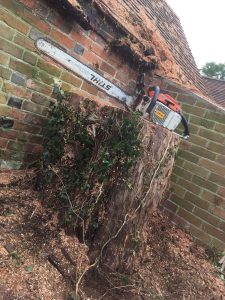
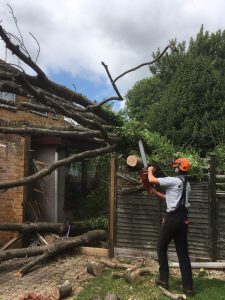
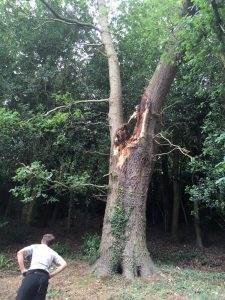
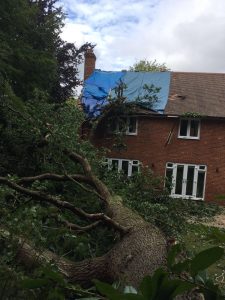
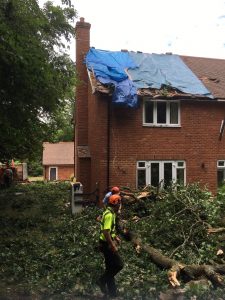
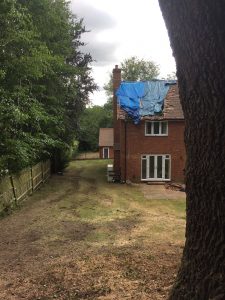
Butlers the tree people responded to an urgent call concerning an Oak tree which had shed a large stem, landing on the roof of a residential property. Having liaised with the home owners insurance company and the council we were given the go ahead the following afternoon.

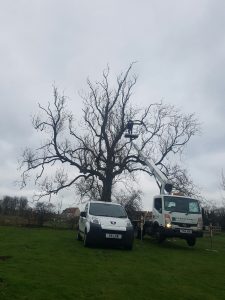
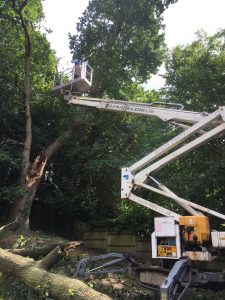
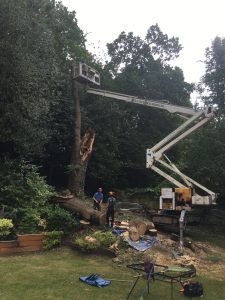
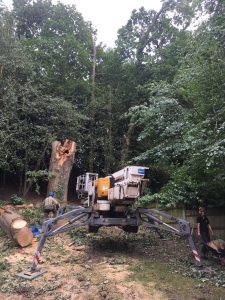
Graham and team arrived to start work the following morning, clearing up the fallen stem and installing sheeting to the roof to protect against the weather. Unfortunately the failed stem had left the remainder of the tree very unstable, with an imminent risk of failure. As it was in the garden of a residential property, overhanging the neighbours house there was no option but to remove it. We accessed the tree using our 27m tracked MEWP, removing the tree in small sections, to leave the main stem at a safe height before we left for the day.

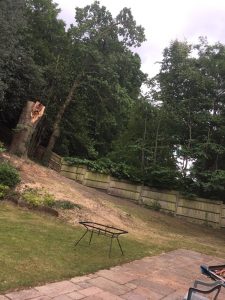
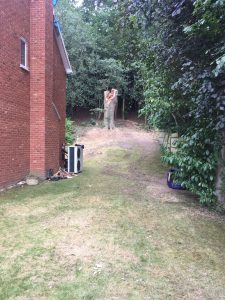
The next day saw the tidy up commence, all the smaller branches were chipped arising’s and removed from site. All the wood was transported back to our yard for processing. After a final rake up our work was completed. The tree safe, site tidy and property relatively weather tight awaiting repair.